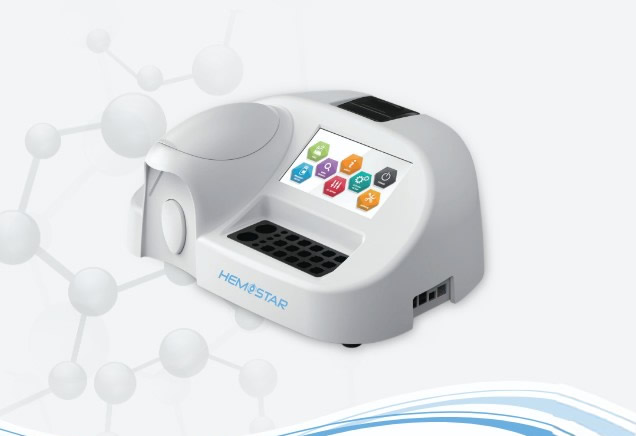
Semi-Automatic Biochemistry Analyzer
1. Background
A Semi-Automatic Biochemistry Analyzer is a laboratory instrument used to quantitatively measure biochemical substances in body fluids like blood serum, plasma, urine, and other fluids. It plays an essential role in clinical diagnostics by helping detect and monitor diseases such as diabetes, liver disorders, kidney dysfunction, and lipid abnormalities.
Unlike fully automatic analyzers, a semi-automatic model requires manual steps such as sample and reagent pipetting, but automates the optical measurement, calculations, and result display. These analyzers are especially useful for small to medium workload labs, hospitals, and diagnostic centers where space, cost, and simplicity are priorities.
2. Key Features
✅ Manual Sample & Reagent Loading
Operators manually add samples and reagents, giving flexibility and low running cost.
✅ Photometric Measurement System
Uses optical sensors to measure changes in light absorbance following chemical reactions (usually in the visible range).
✅ Multiple Test Modes
-
End-point assays – measures absorbance after full reaction
-
Fixed-time – measures absorbance at a specific time
-
Kinetic – measures changes over time
✅ Display & Output
Built-in LCD or digital display shows results; many units include a built-in thermal printer or PC connectivity.
✅ User-Friendly Interface
Simple operating controls, often with menu-driven steps for easier workflows.
✅ Quality Control & Calibration Storage
Stores calibration curves and QC data for accuracy checks.
✅ Low Sample Volume Requirements
Uses small volumes of patient samples and reagents.
3. Typical Technical Specifications
(Specifications vary by model and manufacturer, but the following are common ranges and capabilities)
Optical System
-
Measurement Principle: Photometry / Colorimetry
-
Wavelength Range: ~340 nm to ~700 nm (multiple selectable filters)
-
Detector Type: Silicon photodiode or similar light sensor
Performance
-
Throughput: ~50–120 tests per hour (depending on procedures used)
-
Reaction Chamber: Usually 1–4 cuvettes (disposable or fixed)
-
Sample Volume: ~2–10 µL (depending on test)
-
Reagent Volume: ~100–300 µL per test (depends on assay)
Display & Interface
-
Display: LCD / Digital screen
-
Printer: Built-in thermal printer (optional)
-
PC Connectivity: RS-232 / USB for data transfer
Software & Memory
-
Stores calibration curves, QC data, and test templates
-
May allow result review and basic statistics
Power & Environment
-
Power Supply: ~110–240 V AC, 50/60 Hz
-
Operating Temperature: Ambient laboratory conditions (~15–30°C)
-
Dimensions & Weight: Compact, tabletop-friendly